
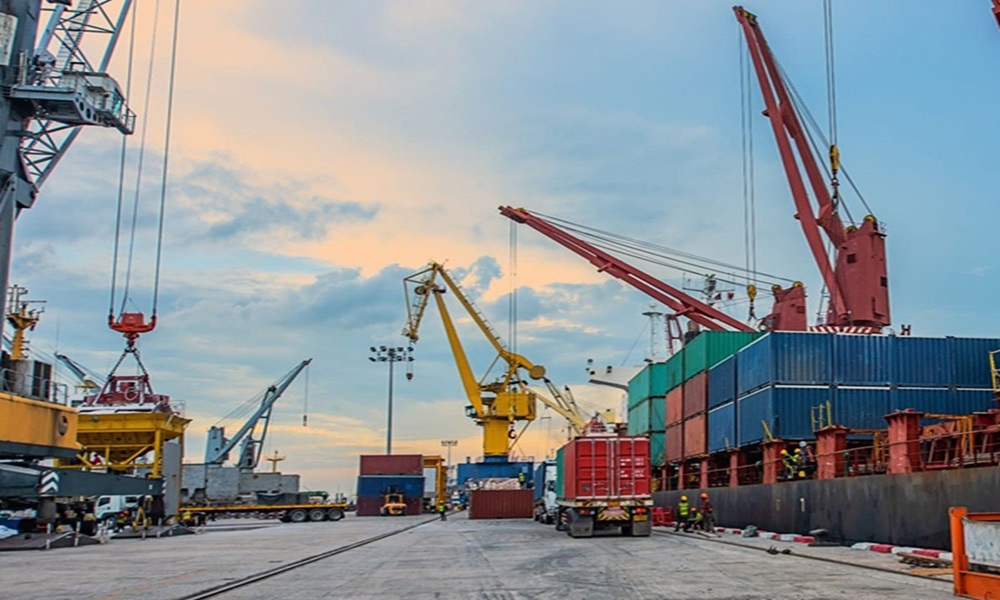
The Ultimate Guide to Iran’s Dry Ports
If you picture Iran on a map, you might first see its long, strategic coastline along the Persian Gulf and the Gulf of Oman. For centuries, its maritime ports have been the celebrated gateways of commerce. But take a journey inland, and you’ll find the true pulse of modern trade beating in a series of sprawling, dynamic hubs far from the sea: Iran’s dry ports.
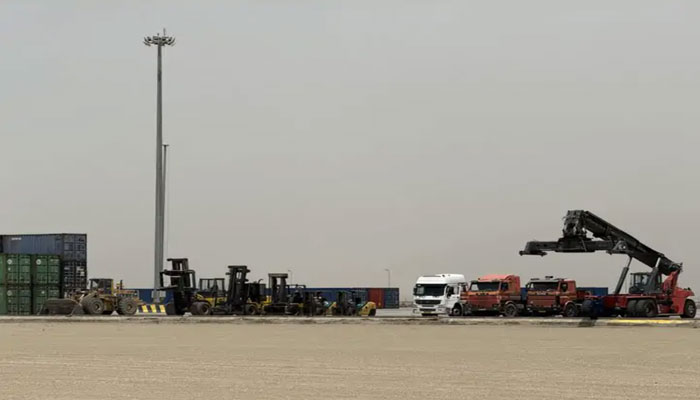
In my years analyzing global supply chains, I’ve learned that the most profound shifts often happen out of sight. Dry ports—or inland container depots—are a perfect example. They are not just warehouses or parking lots for containers. They are sophisticated, intermodal nerve centers where the complex dance of logistics—between ship, train, and truck—is choreographed for maximum efficiency. For a nation sitting at the crossroads of Asia and Europe, they are nothing short of a strategic masterstroke.
The “Why” Behind the Hub: More Than Just a Parking Spot
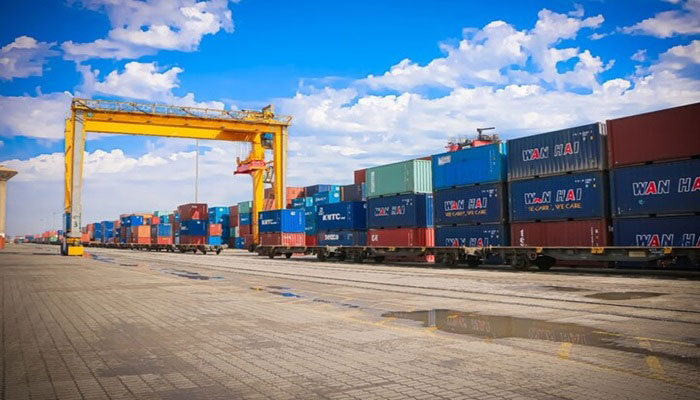
So, why has Iran invested so heavily in these inland terminals? The answer lies in the relentless pursuit of smoother, faster, and cheaper trade.
Imagine a ship docking at Bandar Abbas. Traditionally, containers would wait for customs clearance, be loaded onto trucks, and then begin a slow, congested journey north. This process clogs the port and the roads, burning time and money.
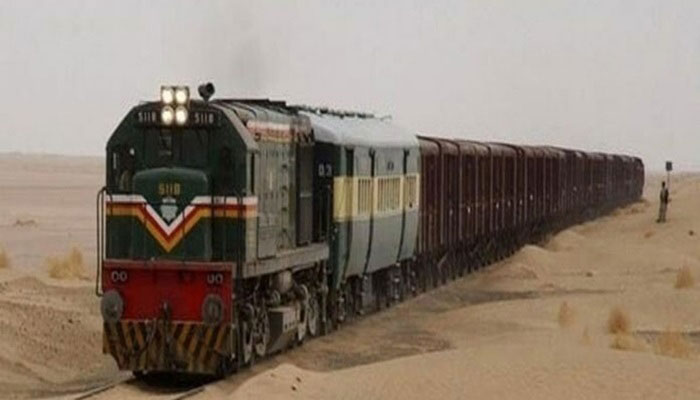
Now, envision the dry port model. Containers are swiftly moved from the ship directly onto dedicated freight trains. They travel en masse to a dry port like Tehran or Salafchegan, where the time-consuming processes of customs inspection, documentation, and cargo consolidation happen away from the coastal bottleneck. The result? Ships turn around faster, cargo reaches its destination sooner, and the cost of transport drops significantly as efficient rail replaces long-haul trucking.
It’s a win-win-win: for the port authorities, for Iranian importers and exporters, and for international partners looking for a reliable transit route.
Meet the Key Players: Iran’s Inland Powerhouses
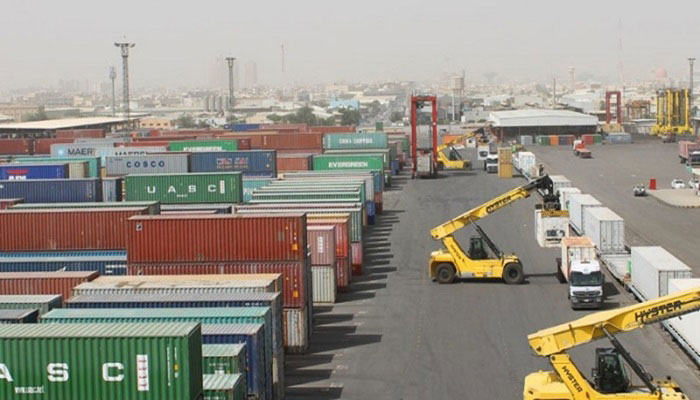
Let me introduce you to a few of these pivotal hubs. Each has its own personality and strategic role.
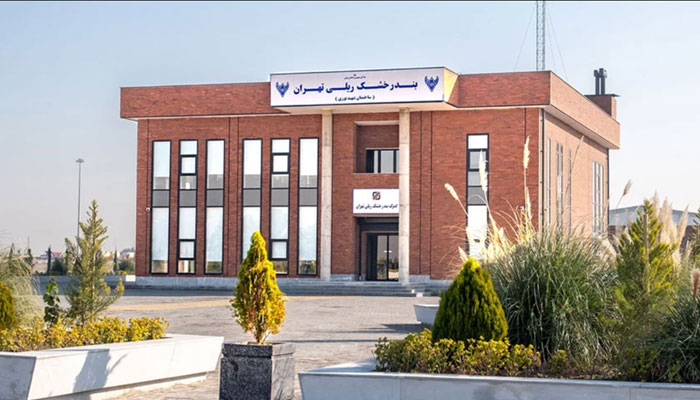
- Tehran Dry Port: Think of this as the Grand Central Station of Iranian logistics. Located near the nation’s capital and largest consumer market, it’s a hive of activity. Here, you’ll see the seamless transfer of goods from rail to warehouse to distribution truck, all under one roof. It’s the primary gateway for goods entering central Iran and a testament to the country’s modern logistics ambitions.
- Zarand Dry Port: This is the eastern sentinel. Positioned in Kerman province, its strategic gaze is fixed on Afghanistan, Pakistan, and the markets beyond. Its fortunes are deeply intertwined with the development of Chabahar Port, creating a powerful land-sea bridge that offers a compelling alternative route into Central Asia, bypassing traditional geopolitical chokepoints.
- Salafchegan Dry Port: If you follow the main artery from Bandar Abbas north toward Tehran, you’ll find Salafchegan. This hub is the vital relay station, expertly managing the flow of containers to and from the coast. Its existence is a direct response to the challenge of road congestion, smartly shifting a massive volume of cargo onto the rails.
The Bigger Picture: Iran’s Corridor to the World
The true genius of this network emerges when you see it in the context of the International North-South Transport Corridor (INSTC). This isn’t just an Iranian project; it’s a multinational ambition to connect India to Europe through Iran, the Caucasus, and Russia.
Iran’s dry ports are the critical linchpins in this corridor. They are the points where cargo from Mumbai, unloaded at Bandar Abbas, is processed, cleared, and transferred onto trains bound for the Caspian Sea, and onwards to Baku, Moscow, and St. Petersburg. This isn’t just theory; it’s happening now, shaving weeks off the traditional sea route via the Suez Canal.
A Look Ahead: The Human and Economic Opportunity
What excites me most is the potential that lies ahead. The continued expansion of these hubs creates a ripple effect of opportunity. It’s not just about moving boxes; it’s about the logistics firms that can offer value-added services, the investors who can build state-of-the-art warehousing, and the manufacturers who can now reliably use Iran as a regional distribution center.
For any leader in logistics, trade, or investment, understanding this inland network is crucial. The story of Iranian trade is no longer solely written on its coasts. It’s being authored in the bustling, strategic, and increasingly connected dry ports that form the backbone of a new trade map for Eurasia. It’s a story of foresight, and one that deserves our full attention.
Related Articles:
If You need Interpreter Or Any Assitance Just Contact Us.