
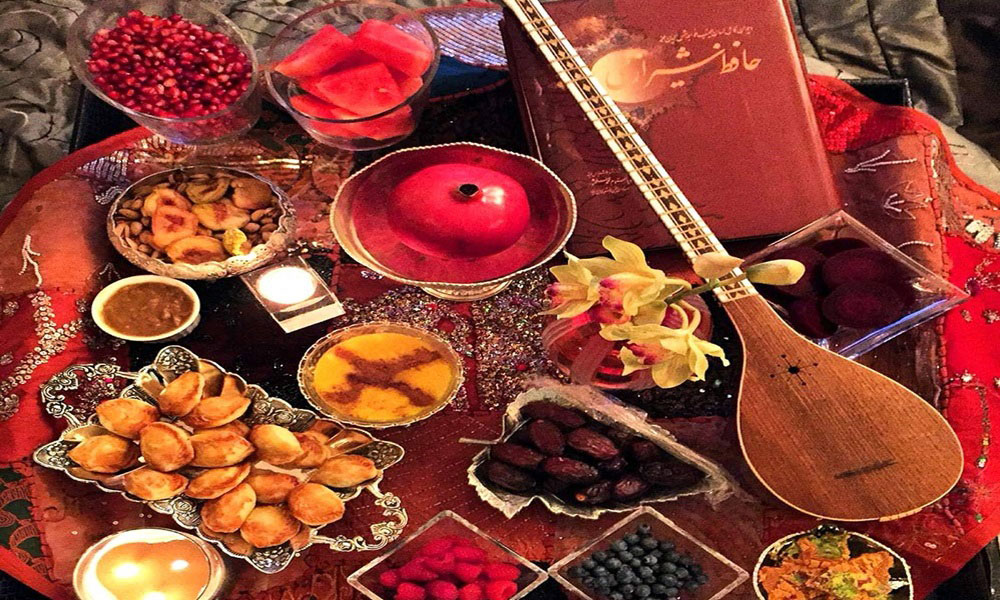
Persian Yalda Night
.
.
A Guide To The Longest Night Of The Year: December 21st is the date of the Winter Solstice, or Yalda Night (Shab-e Yalda), which marks the end of the longest night every year.
Most importantly, this time commemorated the triumph of light over darkness; thus symbolizing a time for family reflection and celebration of the renewal of sunlight is what makes it significant to the Iran’s, many Persians, and all those that have been influenced by Persian culture and traditions over the years.
Yalda’s origin can be traced back as far as the Zoroastrian Era (circa Zoroastrianism) up until modern-day Iran and beyond.
Mithraism (the worship of Mithras) predates Zoroastrianism; therefore the 21st of December has become a day associated with Mithras, who is believed to have been born and emerged into the world on that day.
The term “Yalda” originates from the term Yaldah, meaning “birth” in one of the languages spoken in the area known today as the Middle East around the time of Zoroastrians, and through various trade routes of the ancient Silk Road connecting ancient Persians with Europe, Central Asia, and India.
The ancient people that believed in symbols used the winter solstice to signify where we started to celebrate the life of the seasons.
The solstice is the season’s midpoint and has the longest night; it was a sign of the longest period of darkness in the year, marking the end of darkness. It is also a symbol of the victory of light (good) over dark (bad). This theme is central in Zoroastrianism.
Yalda is a cultural celebration of life that has survived through almost all of the hardships that we have gone through.
The Arab invasion of Iran and the spread of Islam did not diminish the cultural importance of Yalda, and it will continue to be celebrated regardless of religious beliefs.
Persian poets Hafez and Saadi wrote extensively about Yalda and captured the true essence of the celebration for future generations.
In 2022, Yalda Night was officially placed on the UNESCO Representative List of the Intangible Cultural Heritage of Humanity, thus making Yalda Night an internationally acknowledged recognition of a cultural celebration of the value of family, life, and hope.
The celebration of Yalda as an event through the years has portrayed many traditional rituals and customs that symbolically signify the celebration of good health and well-being, prosperity and the start of the summer months.
Gatherings of Family and Community
The most important part of celebrating Yalda is the coming together of families. Generations within a family often gather to spend the very long night together (the night of the winter solstice) awake and waiting until daylight as a sign of their support and connection with one another in overcoming darkness.
Symbolic Display of Food
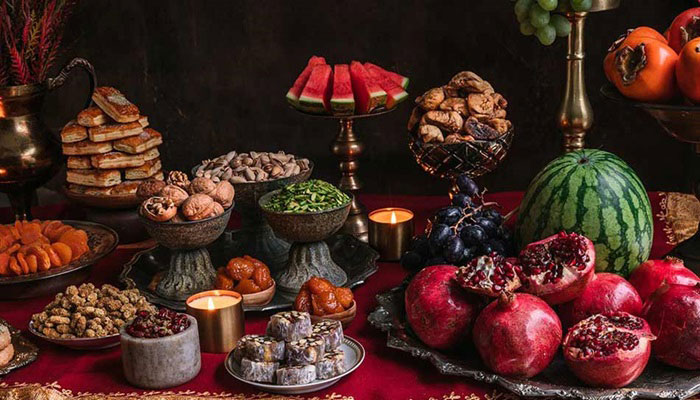
Traditionally, the use of a korsi was to create a gathering place for family and friends during Yalda; however, today, a vibrant display of food is just as much part of the Yalda tradition and is full of symbolism.
Red Fruits
.
.
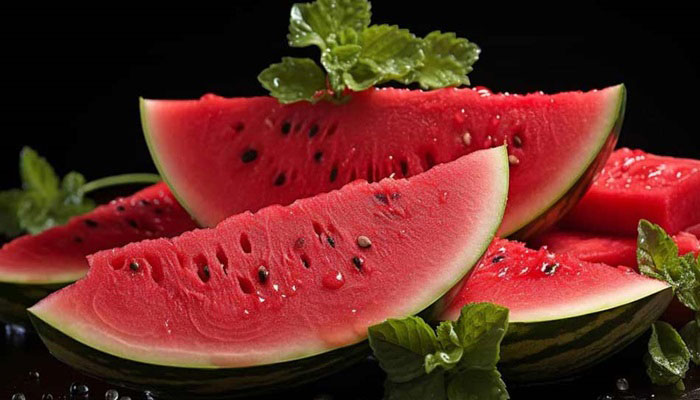
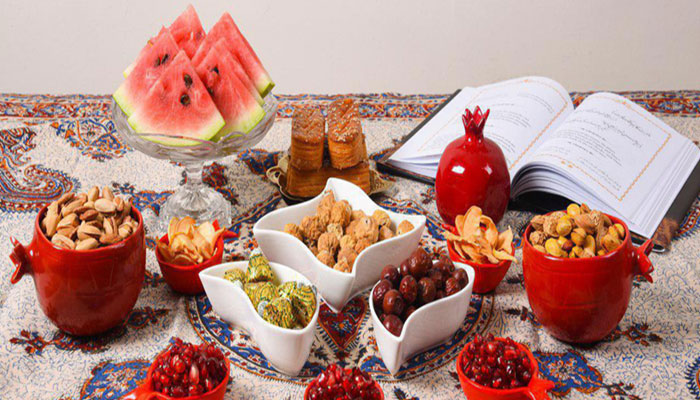
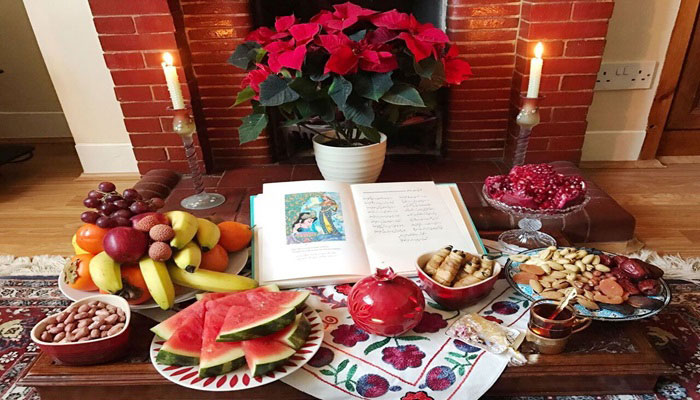
Watermelon and pomegranates are the two red fruits that are typically placed at the center of the dining table for celebration of Yalda.
These two fruits are associated with the vibrant colors of a new day and with the light of life.
The red color also signifies the protection of health from illness, while the pomegranate contains many seeds inside, symbolizing bounty and abundance.
Nuts and Dried Fruits (Ajeel)
.
.
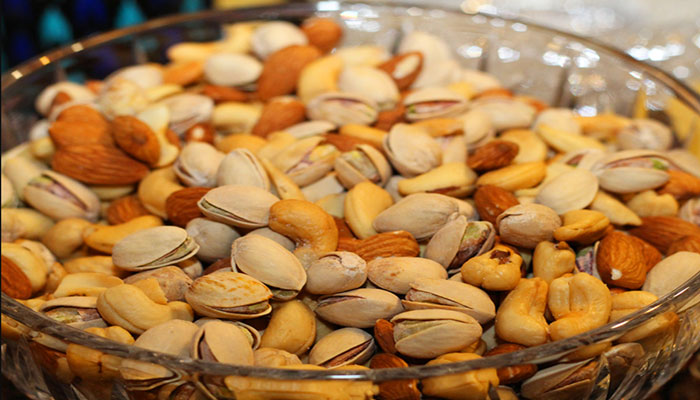
Nuts such as pistachios, walnuts, and almonds, with dried fruits such as apricots and raisins. It serves as a dietary combination to create balance for health throughout the dark winter months.
Foods to be Special
At the time of the Yalda celebration, you may find both Fessenjan, which is a stew made up of pomegranates and walnuts, and Ash-e Mash, which is a soup made of beans and noodles.
These delicious meals often paired with sweet pastries, and tea, are eaten during the Yalda celebrations.
Poetry and Storytelling: The Voice of Hafez
.
.
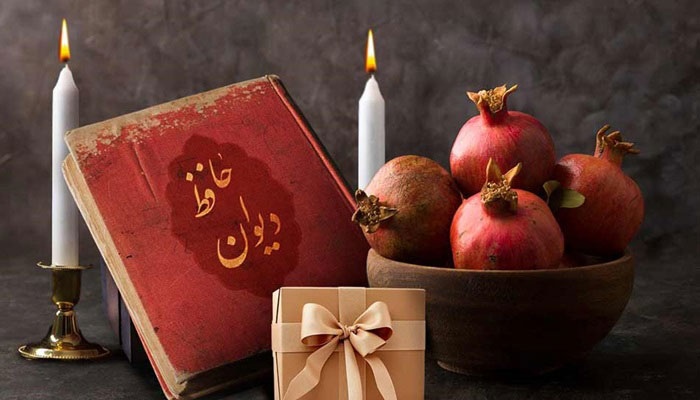
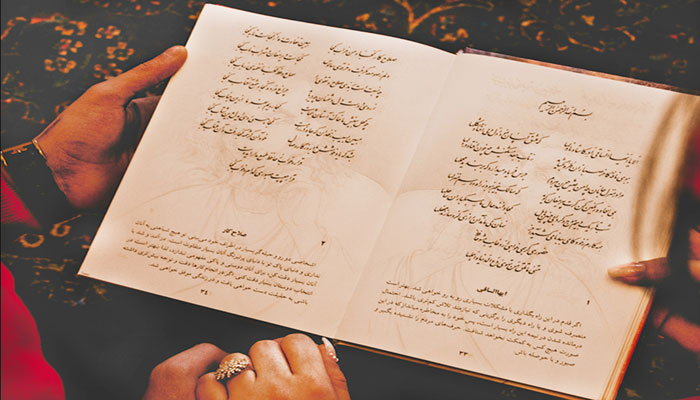
The recitation of poetry, particularly, the poetry of Hafez, is an important aspect of Yalda celebrations.
Before the Yalda celebration begins, each family member individually makes a wish or Faal-e Hafez by opening the poetry book of Hafez randomly, and accepting the first couplet (verse) they see as their “voice” of Hafez, which indicates how Hafez is guiding them into the New Year.
In addition, storytelling from the Shahnameh (Book of Kings) has become an important part of Yalda celebrations as well.
.
.
Yalda symbolizes that there is still room for hope. The opportunity to stay awake and party for hours during Yalda Night is considered an opportunity to remove your bad lucks.
Just as receiving your first fruits from your new harvest is good luck, so is being part of your celebration during Yalda Night within your family.
In today’s society, Yalda Night is still meaningful because it connects Iranians to the culture and history of the country of Iran now, living everywhere in the world.
Yalda Night is the way to celebrate life, Family and Friends, to celebrate Poetry and to stay connected as generations pass away from us.
Over time and distance, we have found ways through technology to celebrate Yalda Night together; Video Calls are now used by many families to connect for Yalda Night celebrations.
.
.
However, many aspects of Yalda Night, including the acts of celebrating together with Poetry and eating symbolic foods (watermelons and pomegranates) have always been integral to Yalda Night regardless of how it is celebrated.
Yalda Night represents both the end of the Season and an individual’s position in the Universe.
It gives the individual the ability to see who they are, what they have become and to whom they are connected.
It serves as a reminder of our connections to our ancestors, to each other, and that we have the ability to connect with other people by Celebrating the Longest Day of the Year.
The tradition of Yalda Night provides hope that there is always light following Darkness.
.
.
For further information CONTACT US.
Click Here To Watch.