
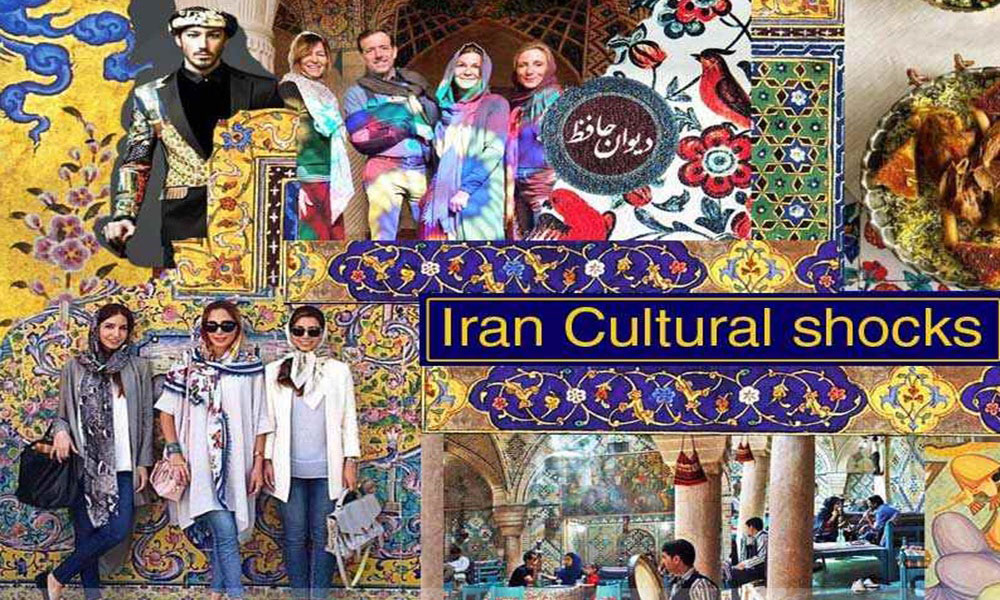
Iran Travel Etiquette: Essential Cultural Norms You Need To Know. Planning a trip to Iran comes with a mix of excitement and a few butterflies. The news paints one picture, but every traveler I’ve met returns with stories that are entirely different—stories of profound warmth and breathtaking beauty.
The “shocks” you’ll experience here aren’t frightening; they’re heartwarming. They’re the moments that make you pause, smile, and rethink what you know about human connection. Let’s walk through what you can really expect, not as a list of rules, but as a guide to the beautiful human moments that await you.
The First Shock: You’ll Argue with Strangers Over Who Gets to Be Kinder
This is called Târof, and it’s the soul of Persian culture. It’s not just politeness; it’s a poetic dance of generosity. The “It’s-On-The-House” Tango: I still remember a shopkeeper vehemently refusing my money, pushing a beautiful bracelet back into my hands. I had to learn the steps: you politely refuse, they insist, you refuse again with a smile, and they insist more passionately. Finally, after this dance of mutual respect, you can pay. But the offer? That was 100% genuine.
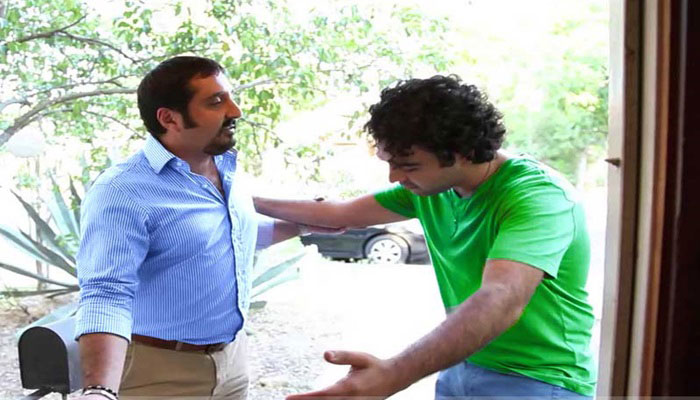
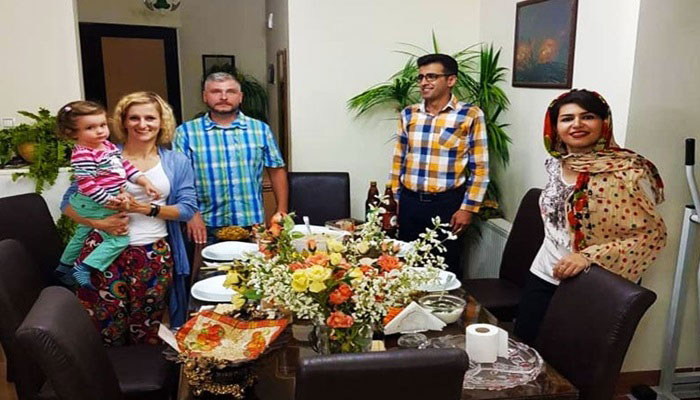
The Unlikely Invitation: Ask for directions, and you might end up invited to a family wedding. A conversation on a train could lead to an insistence that you stay in their guestroom. While you should always prioritize safety, these offers often come from a deep-seated cultural code of welcoming guests as blessings.
Your Heart-Centered Guide: Don’t be flustered. See Târof as a language of the heart. A warm thank you so much and a genuine smile are your best phrases. If an invitation feels right, accepting it could gift you with your most cherished travel memory.
The Dress Code: A Surprising Lesson in Reading Between the Lines
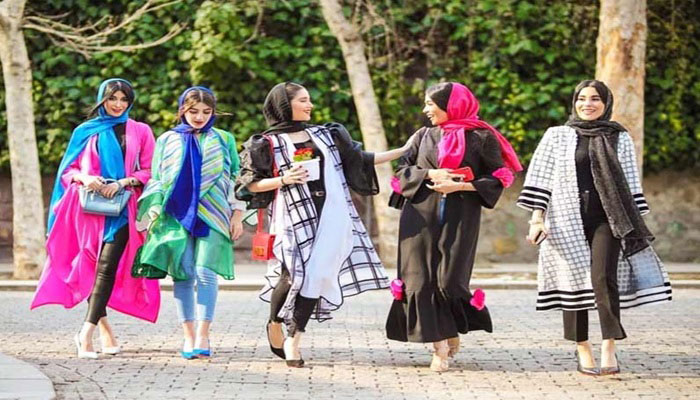
It’s a Canvas, Not Just a Cover: Look closely, and you’ll see the headscarf is often a stunning fashion accessory. Women expertly drape colorful scarves, letting strands of hair frame their faces, paired with stylish, fitted manteaus (long coats) and impeccable makeup. It’s a quiet, powerful expression of identity within a framework.
The Private World Awaits: The public modesty makes the private warmth even more dazzling. Behind closed doors, the scarves come off, and you’ll find vibrant homes filled with laughter, modern music, and passionate conversation. This contrast isn’t a contradiction; it’s the rhythm of life here.
Your Heart-Centered Guide: Pack a light, pretty scarf and loose layers. Think of it less as a restriction and more as your key to unlocking the local world respectfully. You’ll be amazed how quickly it just feels… normal.
Iran Travel Etiquette: Essential Cultural Norms You Need To Know.
The Art of Makeup in Iran: Expression, Fashion, and Faith
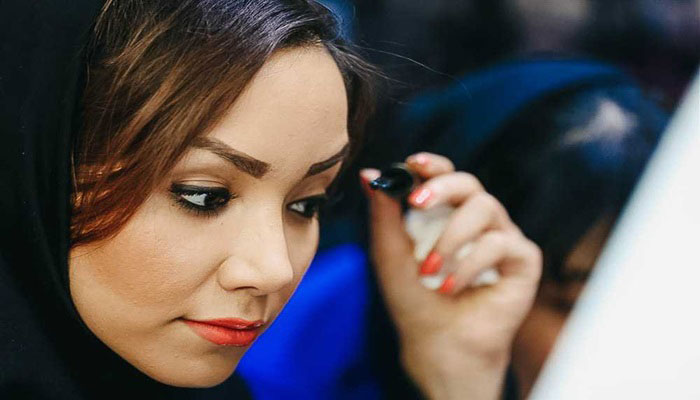
In Iran, makeup is more than just a beauty routine; it’s a vibrant and complex form of self-expression that reflects the dynamic interplay between modern fashion, personal identity, and cultural values.
A Prominent Feature of Public Life
For many Iranian women, applying makeup is an essential and careful part of preparing for public life. You will see elaborate and stylish makeup at:
· Social gatherings and parties
· The workplace
· Restaurants and cafes
· Any public outing
This practice is often viewed as an art form—a way to present one’s best self to the world and adhere to contemporary standards of beauty and grooming. The skill and creativity involved are widely appreciated.
A Spectrum of Personal Choice
However, it’s crucial to understand that Iranian society is not a monolith. Attitudes toward makeup exist on a spectrum, often influenced by personal religious beliefs.
· For Many: Makeup is a normal and accepted part of public appearance.
· For Some Religious Women: There is a different perspective. They may believe that enhancing one’s beauty with makeup should be reserved for the private sphere, within the family home and for one’s spouse. Therefore, you will also see many women in public who wear little to no makeup as a conscious expression of their faith and modesty.
Understanding the Nuance
This contrast is a perfect example of the broader public-private distinction seen in Iranian culture. It highlights the diversity of thought and personal choice that exists beneath the surface.
· For a visitor, this means you will observe a wide range of styles, from bold and fashionable to natural and understated.
· The key takeaway is that both approaches are personal choices deeply rooted in individual identity, blending modern trends with traditional and religious values.
This diversity adds to the rich tapestry of social life in Iran, showing a culture where personal expression finds its way, even within a defined social framework.
Iran Travel Etiquette: Essential Cultural Norms You Need To Know.
Your Taste Buds Are in for a Joyful Ride
Forget what you know about a standard “meat and potatoes” meal. Eating in Iran is a sensory celebration.
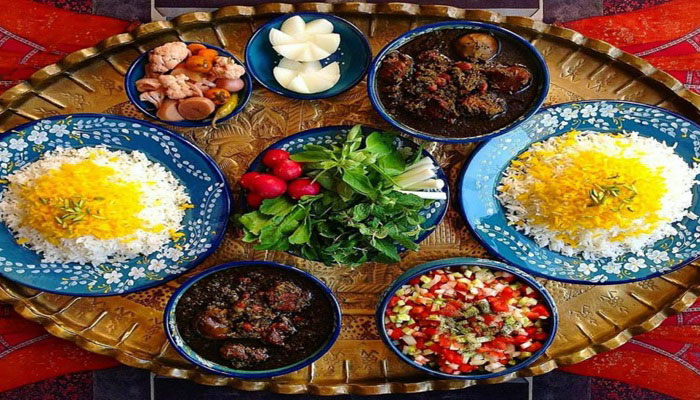
A Symphony on a Plate: Your dish will be a work of art. Fluffy, saffron-tinted rice (polo) is the stage, topped with jewel-like barberries and a rich, walnut-and-pomegranate stew (khoresht). You’re meant to mix it all together with a fork, creating a perfect bite every time.
The Herb Plate is Non-Negotiable: At every meal, you’ll get a platter of fresh, fragrant herbs (sabzi khordan)—mint, basil, tarragon. Eat them with your food, or just nibble between bites. It’s refreshing and deeply rooted in the cuisine.
If you’re planning a trip to Iran or meeting with Iranian friends, understanding their unique dining schedule is key to a comfortable and enjoyable experience. You’ll quickly find that the rhythm of daily meals operates on a different, more relaxed clock.
A Typical Daily Dining Schedule
Iranians typically enjoy their main meals later than many Westerners are accustomed to.
· Lunch: Around 1:00 to 2:00 p.m. This is the main meal of the day for many families.
· Dinner: Often between 9:00 and 11:00 p.m. This is a social meal, especially when guests are involved.
The “Asraneh”: Your Afternoon Lifesaver
So, what happens during the long gap between lunch and a very late dinner? This is where the wonderful tradition of “Asraneh” comes in.
Think of it as an afternoon tea break. Around 4:00 or 5:00 p.m., it’s common to enjoy a light snack with tea. This typically includes:
· A pot of freshly brewed black tea
· Sweet biscuits, pastries, or cookies
· Fresh fruits
· Sometimes nuts or dried fruits
Pro-Tip for Travelers: If you’re invited to an Iranian home for dinner, it’s a smart move to have a small snack or enjoy a hearty Asraneh before you go. A dinner party might not truly get started until 10 p.m., and the meal itself may be served even later. You don’t want to be distracted by hunger pangs while soaking in the incredible hospitality!
Why the Late Schedule?
This structure aligns with a Mediterranean and Middle Eastern lifestyle, where the heat of the afternoon is avoided, and evenings are cherished for socializing and family time. It’s a rhythm that emphasizes connection over the clock.
By embracing this schedule and planning accordingly, you’ll be able to fully enjoy the rich flavors and even richer conversations that define Iranian dining culture.
Iran Travel Etiquette: Essential Cultural Norms You Need To Know.
Don’t just go to the bazaar to shop. Go to listen.
A Living, Breathing Organism: It’s a labyrinth of smells (spices, leather, rosewater), sounds (merchants calling, hammers on copper), and stories. People meet here to talk politics, share news, and share a pot of tea.

Haggling is a Conversation: Negotiating isn’t about getting a cheap price; it’s about building a connection. It’s a friendly back-and-forth that often ends with a handshake and that inevitable offer of a tiny, steaming glass of tea.
You’ll Find Wisdom in a 14th-Century Poet’s Words
In the West, we keep poetry on shelves. In Iran, they keep it in their pockets.
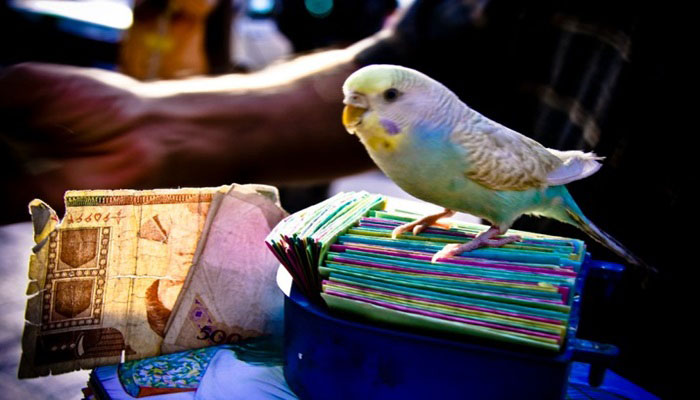
Your Fortune, Told in Verse: In a park, you might see a family gathered around an old man with a small, worn book. He’s a Faal-e Hafez reader, using the poems of Hafez for guidance. Try it yourself—it’s a beautiful, introspective moment.
Conversations Have More Depth: Be prepared to talk about life, love, and philosophy. Iranians are incredibly literate and worldly, and they cherish deep, meaningful exchanges with visitors.
Time Takes on a New, Gentler Meaning
This is perhaps the most liberating shock. The frantic pace you might be used to simply doesn’t exist here.
Patience Isn’t a Virtue; It’s a Practice: Lines may move slower. A simple transaction might involve a cup of tea first. Instead of getting frustrated, I learned to breathe, observe, and be present. It’s a lesson in slowing down that we all need.
“Iranian Time” for Social Events: If you’re invited for dinner at 7 pm, showing up at 7:30 is perfectly fine. It’s not rudeness; it’s a relaxed approach to socializing that prioritizes connection over punctuality.
A Cultural Insight: The Popularity of Nose Jobs in Iran’s Big Cities
When visiting bustling urban centers like Tehran, Mashhad, or Isfahan, you might notice a distinctive sight: many young women, and some men, sporting a small, white bandage on their nose. This is more than a medical coincidence; it’s a window into a unique and widespread cultural trend.
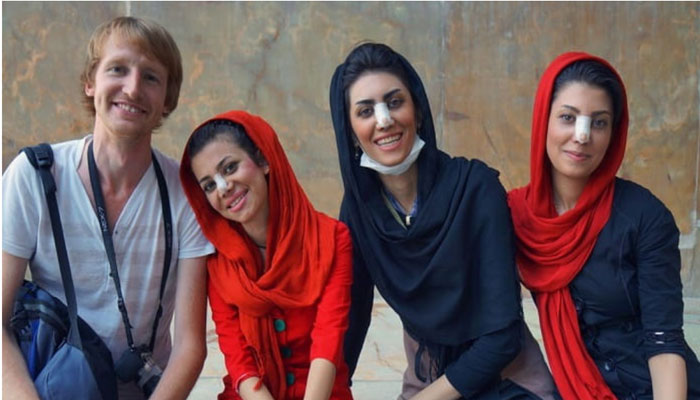
A Visible Trend in Urban Life
Major Iranian cities are hubs of modernity and fashion, where global trends are often adopted and adapted. In recent years, rhinoplasty—commonly known as a “nose job”—has become one of the most prominent and socially accepted forms of plastic surgery. The tell-tale bandage has become such a common sight that it’s almost a badge of participation in a contemporary beauty standard.
More Than Just a Procedure: A Cultural Conversation
The popularity of rhinoplasty in Iran is complex and goes beyond simple vanity.
· A Mainstream Beauty Standard: For many, it’s seen as a routine procedure to achieve a specific aesthetic ideal—often a smaller, more refined nose. It’s so integrated into the culture that it’s a common topic of open conversation among friends and family.
· A Symbol of Modernity: Choosing to undergo surgery is, for some, a personal expression of modernity and self-determination. It’s a way to engage with global standards of beauty and fashion.
· Not Just for Women: While the trend is predominantly female, a growing number of Iranian men are also opting for cosmetic nose surgery, indicating its broadening social acceptance.
Understanding the Phenomenon
For a visitor, the prevalence of nose jobs can be surprising. However, understanding it as a deeply ingrained social and aesthetic practice, rather than a mere medical statistic, offers a fascinating glimpse into how Iranians in major cities navigate their identity. It reflects a society where tradition and modernity coexist, and personal appearance is a significant form of social expression.
By recognizing this trend, travelers and observers can gain a deeper, more nuanced understanding of the dynamic social landscape in urban Iran.
Navigating Language in Iran: A Traveler’s Guide to English & Farsi
When planning a trip to Iran, understanding the language landscape is key to a smooth and enriching experience. While you’ll hear the melodic sounds of Farsi (Persian) everywhere, here’s what you need to know about English.
Farsi is the Heart of Communication
Farsi is the official and dominant language of Iran. It’s the language of daily life, street signs, menus, and heartfelt conversations. Embracing a few basic Farsi phrases like “Salam” (Hello) and “Merci” (Thank you) will go a long way in connecting with locals.
The Level of English You Can Expect
English is taught in Iranian schools and universities, but practical fluency varies greatly.
· Reading vs. Speaking: Many Iranians, especially the youth and professionals, have a good understanding of written English. You might find they can read a menu or a sign without trouble. However, conversational speaking skills are less common. This is often due to a lack of daily practice rather than a lack of knowledge.
Who Speaks English?
· Well: You can expect hotel staff in tourist areas, university students, professional businesspeople, and those in the tourism industry (like tour guides) to communicate in English quite effectively.
· Limited: Outside of these circles, and especially among older generations and in local markets or taxis, you will find very little spoken English.
Practical Tips for Your Trip
To ensure you avoid language barriers and enjoy your stay:
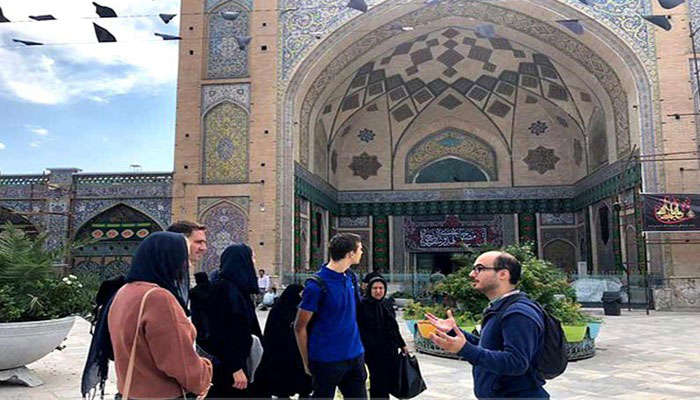
- Hire a Tour Guide: For exploring historical sites and understanding cultural nuances, a professional, English-speaking guide is invaluable. They unlock the stories behind the monuments.
- Learn Key Phrases: As mentioned, learning a few words of Farsi is a sign of respect and will be met with warm smiles and appreciation.
- In Major Cities: In Tehran, Isfahan, and Shiraz, you’ll generally find more English speakers in city centers and tourist hubs.
While you can certainly get by with English in professional settings, having a plan for communication will transform potential challenges into opportunities for connection during your Iranian adventure.
Cultural Sensitivity: Greetings Between Men and Women
When visiting or doing business in a culturally conservative environment, understanding local greeting customs is a key sign of respect. One of the most common questions visitors have is about physical contact, particularly handshakes between men and women.
The General Guideline: A Respectful Distance
In many public and professional settings, it is a common religious and social practice for men and women to avoid shaking hands, even if they are colleagues or friends. This custom is rooted in a value system that emphasizes modesty and privacy.
This rule is relaxed for close family members. Men may shake hands with Mahram relatives, which includes immediate family, aunts, grandparents, and others specified by religious tradition. It’s also perfectly normal for women to shake hands with other women.
The Nuance: Private Settings and Changing Attitudes
While the public guideline is clear, it’s important to recognize the nuance:
· Private vs. Public: In private, family-only gatherings, the rules may be more flexible, though some may still consider a handshake between unrelated men and women inappropriate.
· A Generational Shift: The younger generation often has a more relaxed view of this tradition. It’s increasingly common to see younger Iranians, especially in urban areas, setting aside this formality.
A Traveler’s Guide: How to Navigate Greetings
So, what does this mean for you as a visitor? The key is to be observant and follow the lead of your Iranian counterparts.
- The Safest Approach: When greeting a woman for the first time in a professional or formal setting, a warm verbal greeting, a smile, and a slight nod is always a safe and respectful alternative to a handshake.
- Follow Her Cue: If a woman extends her hand for a handshake, feel free to accept it graciously. This is a clear signal that she is comfortable with the gesture. There is no need to feel worried about causing offense in this situation.
- The Core Principle: Ultimately, this custom is not about personal rejection but about deep-rooted cultural and religious values regarding respect and personal boundaries. By being mindful, you show respect for the local culture and ensure your interactions are positive and comfortable for everyone.
By understanding these nuances, you can navigate social situations with confidence and sensitivity, building stronger and more respectful connections.
Warm Welcomes: Understanding Greetings and Cheek Kissing in Iran
In Iran, a greeting is far more than a quick “hello.” It is a meaningful ritual that strengthens social bonds and expresses genuine care. For visitors, understanding this custom is key to connecting warmly with Iranian people.
The Art of the Iranian Greeting
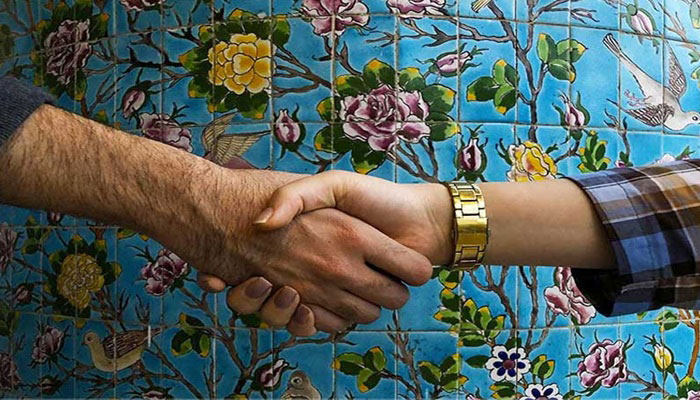
Forget the quick handshake you might be used to. An Iranian greeting is a multi-step process that can easily take several minutes and involves both words and affectionate physical gestures.
A typical greeting between friends or acquaintances often follows this pattern:
- The Verbal Greeting: It begins with warm words like “Salam” , accompanied by a handshake.
- The Cheek Kisses: This is the heart of the ritual. It usually involves two soft kisses on the cheeks, often starting with the right cheek. Sometimes, it’s more of a cheek-to-cheek touch with a kiss sound made in the air. Don’t be surprised if a third kiss is added—it’s a common variation!
- Hugging: Close friends and family will often combine the kisses with a warm, heartfelt hug.
- The Heartfelt Inquiries: Even after the physical greeting, the ritual isn’t over. Once seated, people will sincerely ask, “How are you?” (“Haaletun chetore?”) and inquire about family, work, and life. This is considered polite and essential, not just small talk.
A Guide for Visitors
· Is this for everyone? These warm greetings are typically reserved for people of the same gender. As mentioned in our guide on handshakes, greetings between men and women follow different cultural and religious protocols.
· Should I initiate? As a visitor, you are not expected to initiate the cheek kisses. The best approach is to be warm and receptive. Let your Iranian counterpart lead the way—if they lean in for a kiss, simply follow their cue.
· The Key is Warmth: The most important thing is to receive the greeting with a smile and an open attitude. Iranians are incredibly hospitable and will appreciate your willingness to engage with their customs.
Embrace this beautiful tradition! It’s a wonderful window into the Iranian culture of connection and hospitality, where people truly take the time to make you feel welcomed and valued.
Understanding Gender-Separated Spaces in Iran
A key aspect of social life in Iran that visitors will immediately notice is the presence of gender-separated spaces in many public areas. This practice, rooted in cultural and religious norms of modesty and privacy, is designed to create comfortable environments for women.
Where You’ll Commonly Find Separate Areas
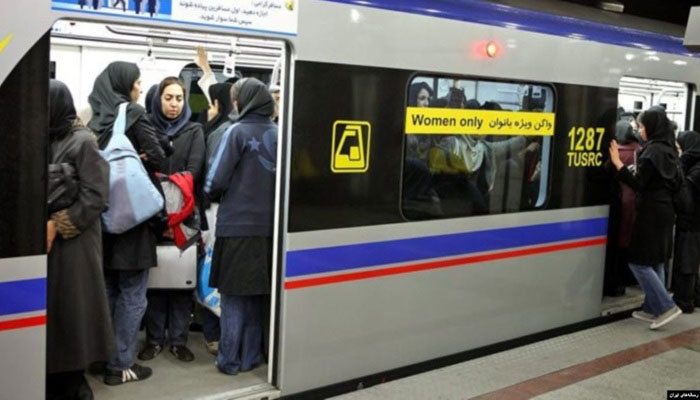
This separation is common in various facets of daily life. To help you navigate, here are some places where you can expect to see dedicated spaces for men and women:
· Public Transport: Many buses have a designated section at the front for women. The Tehran Metro also has separate women-only cars (usually at the ends of the train), though women are free to use the mixed-gender cars if they prefer.
· Recreation Facilities: This includes swimming pools, gyms, and parks, which often have entirely separate hours or facilities for each gender.
· Personal Care: Places like beauty salons and barbershops are almost always exclusively for one gender.
· Certain Restaurants & Cafés: Some establishments, particularly more traditional ones, may have a “family section” which is effectively a private or segregated area.
The Rationale: Respect and Privacy
For Iranians, these spaces are not seen as restrictive but as “sanctuaries” where women can socialize, exercise, and relax without the presence of unrelated men. It’s a system built on the principle of providing privacy and peace of mind.
A Practical Guide for Visitors
· For Male Travelers: It is crucial to respect these boundaries. Men are strictly not permitted to enter women-only areas. Always look for signs or ask if you are unsure. Entering a women’s section, even by accident, would be considered a serious social faux pas.
· For Female Travelers: You have access to both the women-only spaces and the general (mixed) areas. The women-only sections on transport, for instance, can be a welcome respite, especially during crowded hours.
By being aware of and respecting these social structures, you show cultural sensitivity and ensure a smoother, more respectful travel experience in Iran.
Understanding Public Conduct: Alcohol and Public Displays of Affection in Iran
To ensure a smooth and respectful visit to Iran, it’s essential to understand two key aspects of public behavior regarding alcohol and physical intimacy. These rules are strictly tied to national laws and deep-seated cultural norms.
Alcohol: Strictly Prohibited in Public
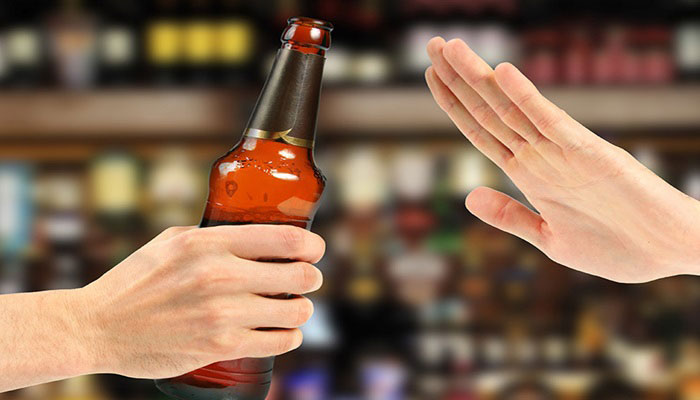
In Iran, the consumption, purchase, and sale of alcohol are illegal for both citizens and tourists. This is a national law based on Islamic principles, not just a social suggestion.
· What this means for you: You cannot find alcohol in restaurants, hotels, or stores. Asking for it can cause embarrassment and legal complications.
· A Note for Travelers: It is crucial to respect this law entirely. The penalties for involvement with alcohol can be severe. Your trip will be filled with incredible experiences centered around Iran’s rich history, art, and cuisine, which are all enjoyed without alcohol.
Iran Travel Etiquette: Essential Cultural Norms You Need To Know.
Public Displays of Affection (PDA): A Private Matter
Iranian culture draws a clear line between public decorum and private behavior. Intimate physical contact is reserved for the privacy of the home.
· What is considered inappropriate? This includes kissing, prolonged hugging, holding hands (especially between unmarried couples), and any other intimate gestures in public spaces.
· The Cultural Context: This norm is rooted in values of modesty and public propriety. You will see immense warmth and physical affection between members of the same sex (like friends holding hands or cheek kissing), but these gestures are not extended to opposite-sex relationships in public.
· What is acceptable? A brief, polite handshake between unrelated men and women (if initiated by the Iranian party) is generally the limit of public physical contact.
Key Takeaways for a Respectful Visit
- Strictly Avoid Alcohol: Do not attempt to bring, buy, or consume alcohol during your stay.
- Keep Affection Private: Save any intimate gestures with a partner for the complete privacy of your hotel room.
- Observe and Follow: When in doubt, take cues from the locals. You will see that Iranians themselves adhere to these public norms, creating a society with a unique and formal public dignity.
By understanding and respecting these guidelines, you show cultural sensitivity and ensure that your interactions are positive, allowing you to focus on the overwhelming hospitality and beauty that Iran has to offer.
Navigating Iranian Currency: A Simple Guide to Riyals & Tomans
One of the first things you’ll notice in Iran is a unique dual-currency system. While it might seem confusing at first, understanding the difference between the Rial and the Toman is the key to managing your money with confidence.
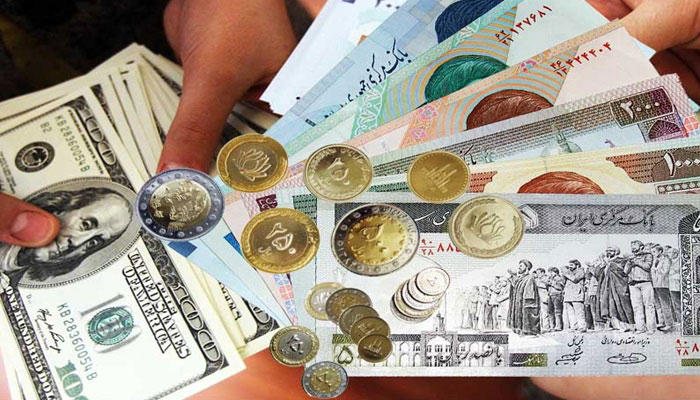
The Official vs. The Everyday: Rial vs. Toman
· Rial: This is the official currency of Iran. You will see prices written in Rials on banknotes, official price tags in some stores, and in international financial systems.
· Toman: This is the currency of daily life. In markets, taxis, restaurants, and in almost all verbal communication, Iranians use Tomans. It’s a mental shortcut that simplifies everyday numbers.
A Practical Guide for Travelers
To avoid confusion and ensure you’re paying the right amount, follow these tips:
- Always Confirm the Unit: When someone gives you a price, simply ask, “Toman?”. This immediately clarifies which currency they are referring to.
- Think in Tomans: Since it’s the unit used in 99% of daily transactions, it’s easiest to mentally adopt the Toman as your primary currency. When you withdraw cash, remember that a 500,000 Rial note is 50,000 Tomans.
- Start Small: Get a feel for prices by buying small items like a bottle of water or a snack first. This will help you quickly understand the “street value” of the Toman.
Remember: By thinking in Tomans, you’ll find it much easier to budget and negotiate during your trip. A little awareness goes a long way in making your financial transactions in Iran smooth and stress-free!
Your Journey Awaits, Heart Open
Traveling to Iran changed me. It softened my edges and expanded my definition of kindness. The “culture shocks” weren’t hurdles; they were the very moments that taught me the most.
So pack your bags, and more importantly, pack an open mind and a willing heart. Iran isn’t just a place you see; it’s a place you feel. And I promise, the feeling will stay with you long after you’ve returned home.
If you want to know more about Iran, feel free to Contact Us for getting free consultant.