Culture and history info
Qeshm Island Culture & History: A Rich Tapestry of Persian Gulf Heritage
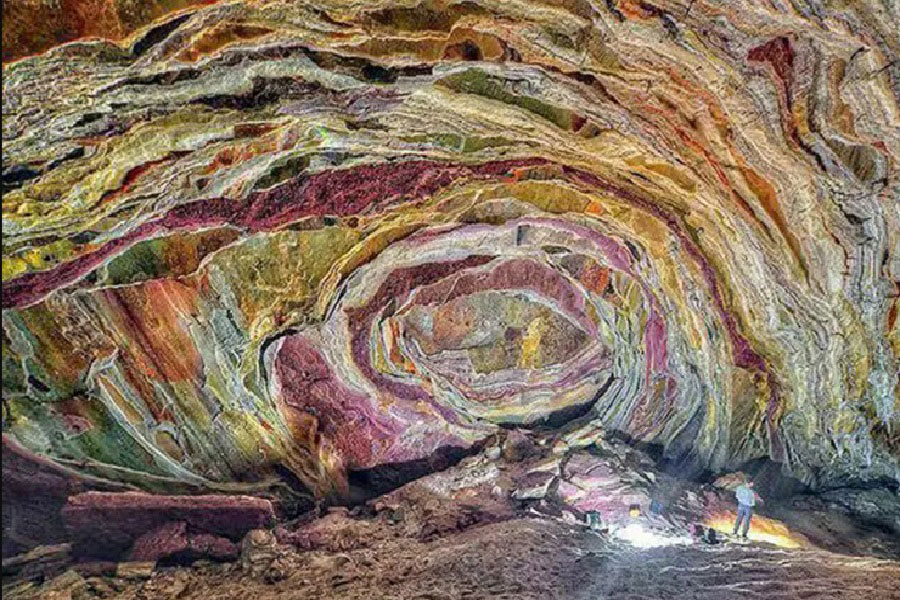
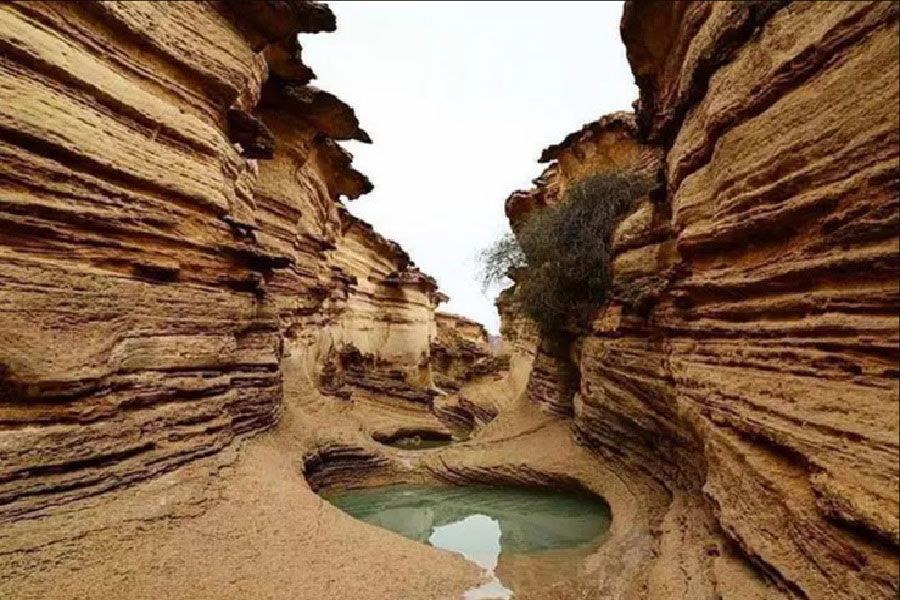
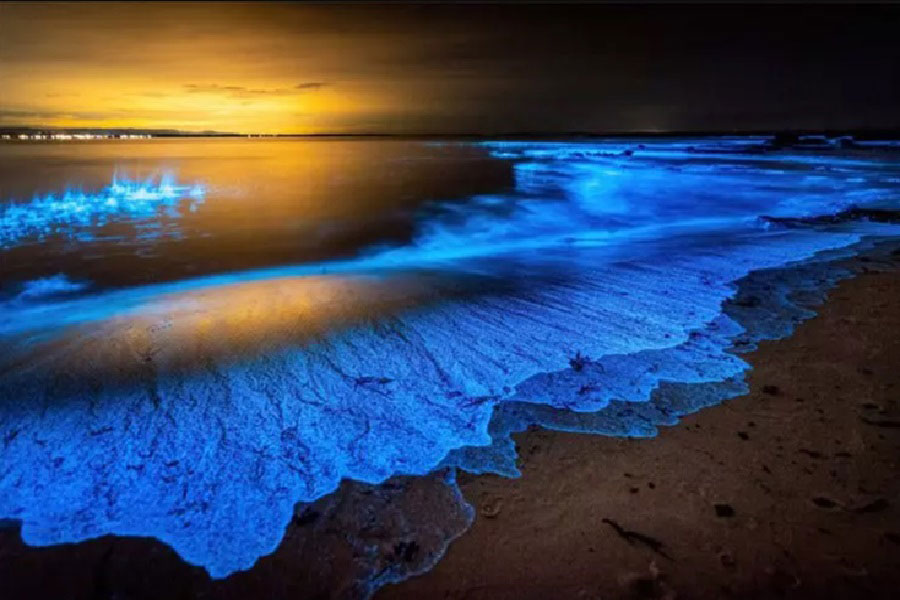
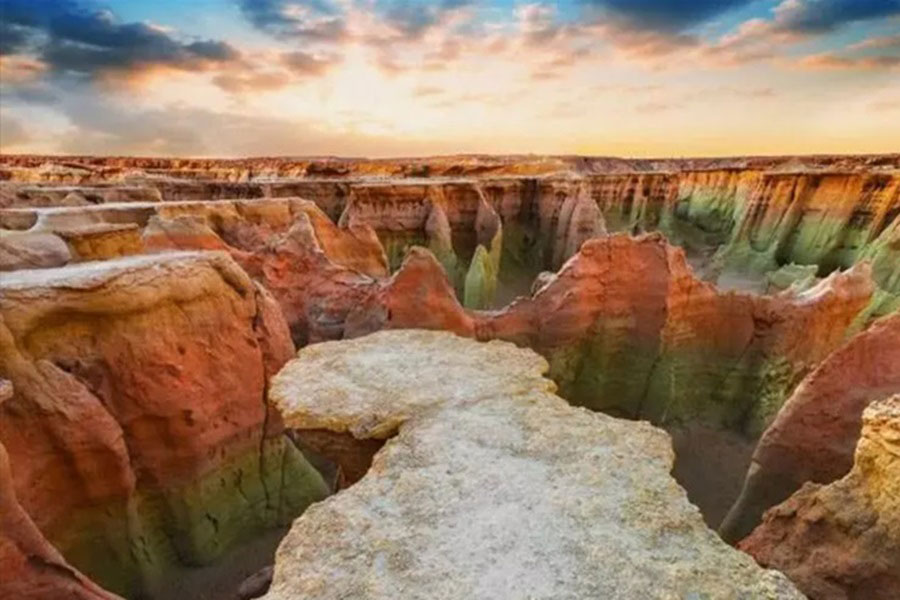
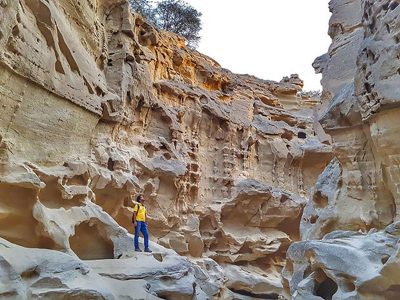
Qeshm Island, the largest island in the Persian Gulf, boasts a rich 7,000-year history intertwined with maritime trade, colonial influences, and unique cultural traditions. Recognized as a UNESCO Global Geopark, Qeshm preserves an extraordinary blend of ancient civilizations, traditional Bandari culture, and breathtaking natural wonders that tell the story of Iran's southern coastal heritage.
Historical Highlights of Qeshm Island
- Ancient Civilizations & Early Settlements
Archaeological evidence shows prehistoric settlements dating back to the Elamite civilization (3,000 BCE)
Mentioned in Greek and Roman texts as a strategic trade hub along the Silk Road of the Sea
Played a key role in the Sassanid Empire's naval operations (224-651 CE)
- Portuguese Colonial Era (16th Century)
The Portuguese Fort of Qeshm (1507) stands as a reminder of European colonial ambitions
Used as a military outpost to control the Strait of Hormuz trade routes
Finally liberated by Shah Abbas I in 1622 with British assistance
- Qeshm in Modern History
Briefly occupied by British forces during WWII as a strategic oil route guard
Transformed into a free trade zone in 1990, boosting economic development
Designated a UNESCO Global Geopark in 2006 for its unique geological and cultural heritage
The Vibrant Culture of Qeshm Island
Traditional Bandari Lifestyle
- Distinct Bandari (coastal) culture with African, Arab, and Persian influences
- Fishing and pearl diving as historic livelihoods
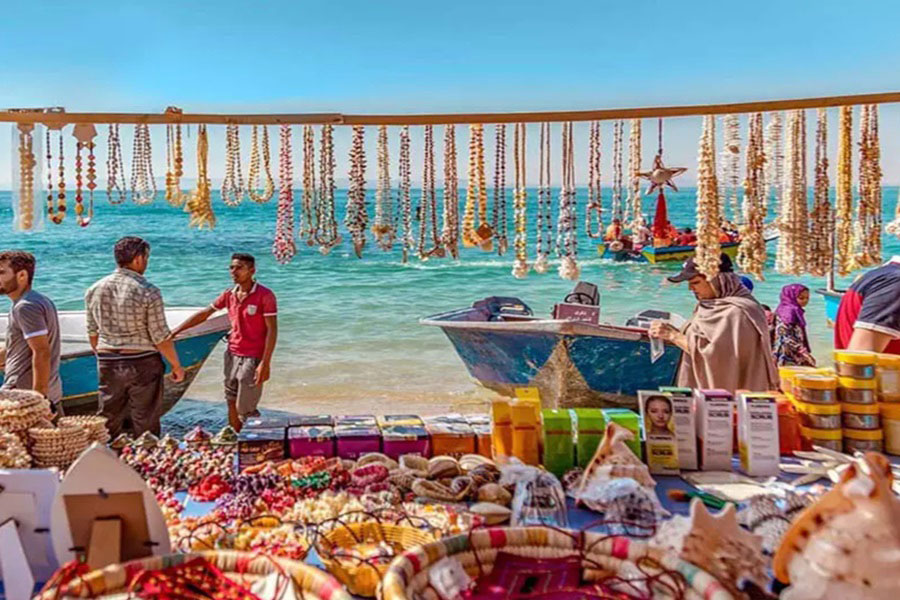
- Famous for handicrafts made from palm leaves ("Bid" weaving)
Language & Local Dialects
- Predominantly Bandari Persian dialect with Arabic loanwords
- Unique maritime vocabulary reflecting seafaring traditions
Traditional Clothing
- Women wear colorful Bandari dresses with intricate embroidery
- Men traditionally don white dishdashas (long shirts) for comfort in the heat
Music & Dance Heritage
- Bandari music featuring the "tonbak" drum and rhythmic melodies
- Traditional dances like "Lezgi" and "Yowla" performed at celebrations
- Henna ceremonies with special songs before weddings
Culinary Traditions
- Seafood-based cuisine: "Ghalyeh Mahi" (spicy fish stew), "Mahyawa" sauce
- Date palms as a staple food source
- Traditional cooking methods using clay ovens and open-fire grilling
Cultural Landmarks & Heritage Sites
- Portuguese Castle: 16th century colonial fortress
- Kharboz Cave: Ancient hideout with mysterious carvings
- Laft Historical Port: Traditional harbor with wind catcher houses
- Hengam Island: Preserved fishing village culture
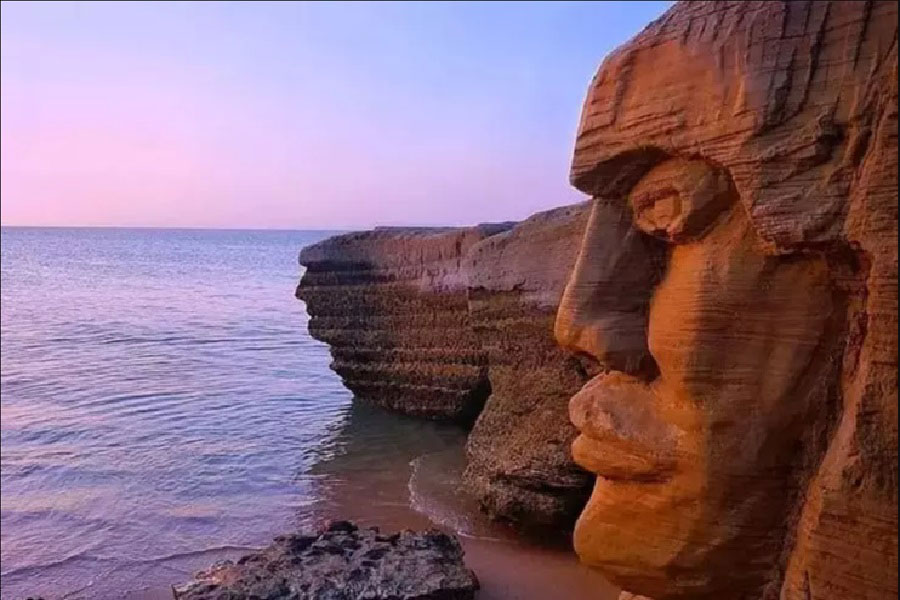
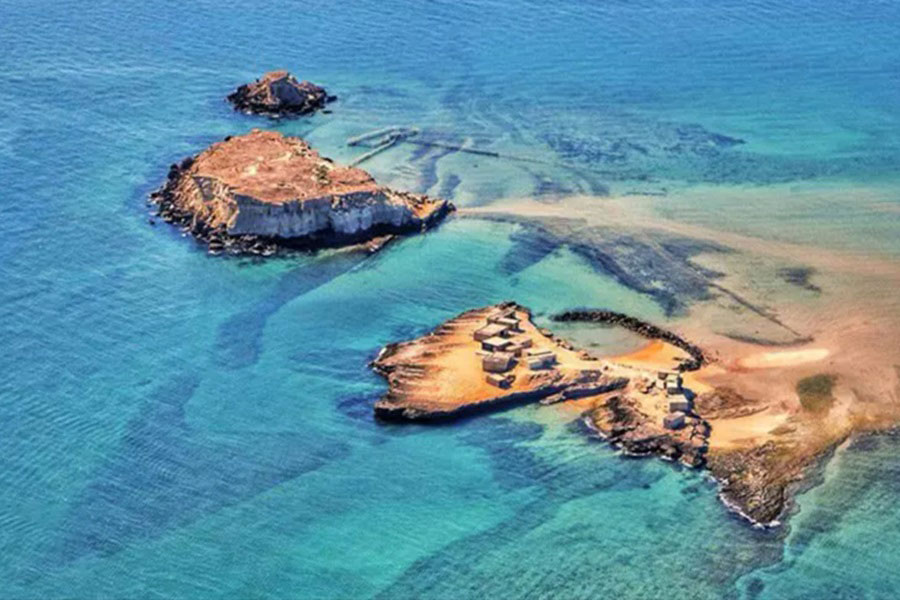
- Qeshm Geopark: Combines natural wonders with human history
Preservation of Qeshm's Heritage
Qeshm Geopark: protects both geological and cultural assets
Annual cultural festivals celebrating maritime traditions
Eco-tourism initiatives supporting traditional livelihoods
Why Qeshm's Culture Matters Today?
- Qeshm Island represents a living museum of Persian Gulf heritage, where:
- Ancient seafaring traditions continue alongside modern life
- Unique architectural styles blend with the natural environment
- Oral histories preserve knowledge of navigation and pearl diving
Experience Qeshm's timeless culture - where every rock formation tells a story and every festival echoes centuries of tradition!